


.png)
Air-Dried Oak Beams Explained: Benefits, Durability & Finish

Oak beams have been a defining feature of British architecture for centuries, admired for their strength, character, and natural beauty. In recent years, homeowners and designers have become increasingly interested in how oak is prepared, not just how it looks. Among the available options, Air-Dried Oak Beams stand out as a traditional, time-honoured choice that offers authenticity, longevity, and a distinctive finish.
Whether you are restoring a period property, designing a rustic interior, or adding warmth to a modern space, understanding how air-dried oak beams perform is essential. This guide explains what air-dried oak beams are, how they differ from other options, and why they remain a preferred choice for traditional and contemporary homes alike.
What Are Air-Dried Oak Beams?
Air-dried oak beams are timber beams that have been naturally seasoned over time by exposure to circulating air. After milling, the beams are stacked and left to dry slowly, allowing moisture to escape gradually without artificial heat.
This traditional process mirrors how oak was prepared for centuries before modern kilns existed. As a result, air-dried oak beams retain much of their natural structure, character, and strength.
Unlike kiln-dried timber, which is forced to dry quickly, air-dried oak develops at its own pace. This slow seasoning process is central to the air dried oak beams benefits that make them so appealing.
Why Air-Dried Oak Beams Are Still Used Today
Despite advances in timber processing, air-dried oak beams remain popular because they offer qualities that faster methods cannot replicate. Many homeowners value authenticity, natural movement, and visual depth over uniformity.
Traditional oak beams prepared through air drying feel closer to historic construction methods. They suit both restoration projects and new builds that aim for a timeless aesthetic.
Choosing Air-Dried Oak Beams is often about respecting material heritage while achieving long-term durability.
The Air-Drying Process Explained
The air-drying process begins immediately after oak is cut and milled. Beams are stacked with spacers to allow air to circulate freely around each piece. Over months or even years, moisture slowly evaporates from the timber.
This gradual reduction in moisture content minimises internal stress. The result is oak that remains strong, stable, and visually rich.
Air-dried oak beams are not rushed, and this patience directly contributes to their performance and appearance.
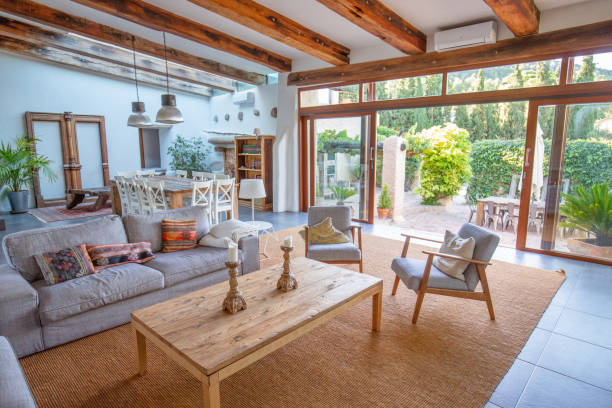
Air Dried Oak Beams Benefits Compared to Other Methods
One of the most important air dried oak beams benefits is their natural balance between strength and flexibility. Because they dry slowly, the wood fibres settle gradually rather than being forced into place.
Key benefits include:
Enhanced structural integrity
Rich, natural grain definition
Traditional appearance
Long-term stability
These qualities make Air-Dried Oak Beams particularly suitable for visible architectural features.
Durability of Air-Dried Oak Beams
Air dried oak beam durability is one of the main reasons this timber is trusted for both structural and decorative use. Oak is naturally dense and resistant to wear, and air drying preserves these qualities.
Because the timber is not exposed to high kiln temperatures, its internal structure remains intact. This helps beams resist splitting and excessive distortion over time.
When properly installed, air-dried oak beams can last for generations, making them a sound long-term investment.
How Air-Dried Oak Responds to Its Environment
All oak moves in response to temperature and humidity changes, but air-dried oak beams tend to move in a more predictable, gradual way. This makes them well suited to indoor environments where seasonal changes occur.
Small surface checks or hairline cracks may appear over time. These are natural characteristics of traditional oak beams and are considered part of their charm rather than defects.
Understanding this behaviour is key to appreciating air dried oak beam durability.
Air-Dried Oak Beam Finish and Appearance
The air dried oak beam finish is one of its most defining features. Because the timber has not been rapidly dried, the grain remains pronounced and tactile.
Air-dried oak beams often display:
Deep grain contrast
Subtle colour variation
A matte, natural surface
Authentic texture
This finish suits both rustic and refined interiors, depending on how the beam is styled.
Comparing Air-Dried and Kiln-Dried Oak Beams
When choosing oak beams, homeowners often compare air-dried and kiln-dried options. The difference lies primarily in drying speed and resulting character.
Kiln-dried beams are more uniform and lighter in colour. Air-dried oak beams, by contrast, retain a fuller, more organic appearance.
For those seeking traditional oak beams with visible character, air drying remains the preferred method.
Traditional Oak Beams and Architectural Heritage
Traditional oak beams have shaped British buildings for centuries. Churches, barns, cottages, and manor houses all relied on air-dried timber long before kilns were available.
Using Air-Dried Oak Beams in modern projects connects new spaces to this architectural heritage. They bring a sense of continuity and authenticity that modern materials struggle to replicate.
This link to tradition is especially valued in period restorations and heritage-inspired designs.
Using Air-Dried Oak Beams in Modern Homes
Although rooted in tradition, air-dried oak beams are not limited to historic settings. They are increasingly used in modern homes to add warmth and contrast.
In open-plan spaces, natural oak beams soften clean lines and minimal finishes. The texture of air-dried oak introduces depth without overwhelming the design.
This versatility is one of the lesser-known air dried oak beams benefits.

Structural vs Decorative Applications
Air-dried oak beams can be used both structurally and decoratively. Their strength makes them suitable for load-bearing roles, while their appearance makes them ideal for visual features.
Common applications include:
Ceiling beams
Fireplace beams
Door lintels
Feature wall beams
Understanding the intended use helps determine the appropriate size and preparation.
Selecting the Right Beam Size
Beam proportions significantly affect how air-dried oak beams are perceived. Larger beams emphasise rustic character, while slimmer beams offer subtle definition.
Consider ceiling height, room size, and surrounding materials when selecting dimensions. Well-chosen proportions ensure the beam enhances the space rather than overpowering it.
This applies whether you are using natural oak beams decoratively or structurally.
Installation Considerations for Air-Dried Oak Beams
Proper installation is essential to maximise air dried oak beam durability. Fixings must allow for natural timber movement and seasonal expansion.
Beams should be acclimatised to the indoor environment before installation. This reduces sudden moisture changes and helps the timber settle gradually.
Professional installation is recommended, especially for structural applications.
Maintenance and Care Over Time
Air-dried oak beams are low maintenance. Regular dusting and gentle cleaning are usually sufficient to keep them looking their best.
Over time, the air dried oak beam finish will deepen slightly in colour, developing a natural patina. This ageing process enhances character rather than diminishing appearance.
Avoid harsh cleaners or heavy surface treatments that mask the wood’s natural texture.
Sustainability of Air-Dried Oak Beams
Sustainability is an important consideration for many homeowners. Air-dried oak beams use significantly less energy than kiln-dried alternatives because no artificial heat is involved.
When sourced responsibly, natural oak beams support sustainable forestry and long-term resource management.
Choosing air-dried timber aligns with environmentally conscious building practices.
Design Styles That Suit Air-Dried Oak Beams
Air-dried oak beams work across a wide range of interior styles. They are particularly effective in:
Rustic and farmhouse interiors
Period property restorations
Transitional homes blending old and new
Contemporary spaces needing warmth
Their adaptability makes them a versatile design choice.
Viewing Air-Dried Oak Beams in Real Homes
Seeing air-dried oak beams in real interiors can help clarify their impact. The Oak Beam Gallery showcases a variety of finished projects, demonstrating how traditional oak beams enhance different spaces.
Choosing the Right Beam from the Shop
Selecting the right beam involves balancing size, finish, and intended use. The Shop offers a curated range of air-dried oak beams suitable for both structural and decorative applications.
Reviewing product details carefully ensures the beam meets your design and performance requirements.
Common Myths About Air-Dried Oak Beams
Some homeowners worry that air-dried oak beams are unstable or outdated. In reality, they have proven their reliability over centuries of use.
Others believe kiln-dried oak is always superior. While kiln drying has its place, it cannot replicate the depth and authenticity of air-dried timber.
Understanding these myths helps you make an informed decision.
Long-Term Value of Air-Dried Oak Beams
Air-dried oak beams add long-term value to a property. Their timeless appeal, durability, and craftsmanship attract buyers and enhance architectural character.
Unlike trend-driven materials, Air-Dried Oak Beams remain relevant across changing design styles.
They are an investment in both aesthetics and longevity.
Final Thoughts on Air-Dried Oak Beams
Choosing Air-Dried Oak Beams is about embracing tradition, durability, and natural beauty. Their slow-seasoned strength, rich finish, and timeless appeal make them a standout choice for a wide range of homes.
By understanding air dried oak beams benefits, air dried oak beam durability, and air dried oak beam finish, you can select beams that enhance your space for decades to come.
For inspiration, expert craftsmanship, and premium oak beam options, explore the homepage.


Comments