


.png)
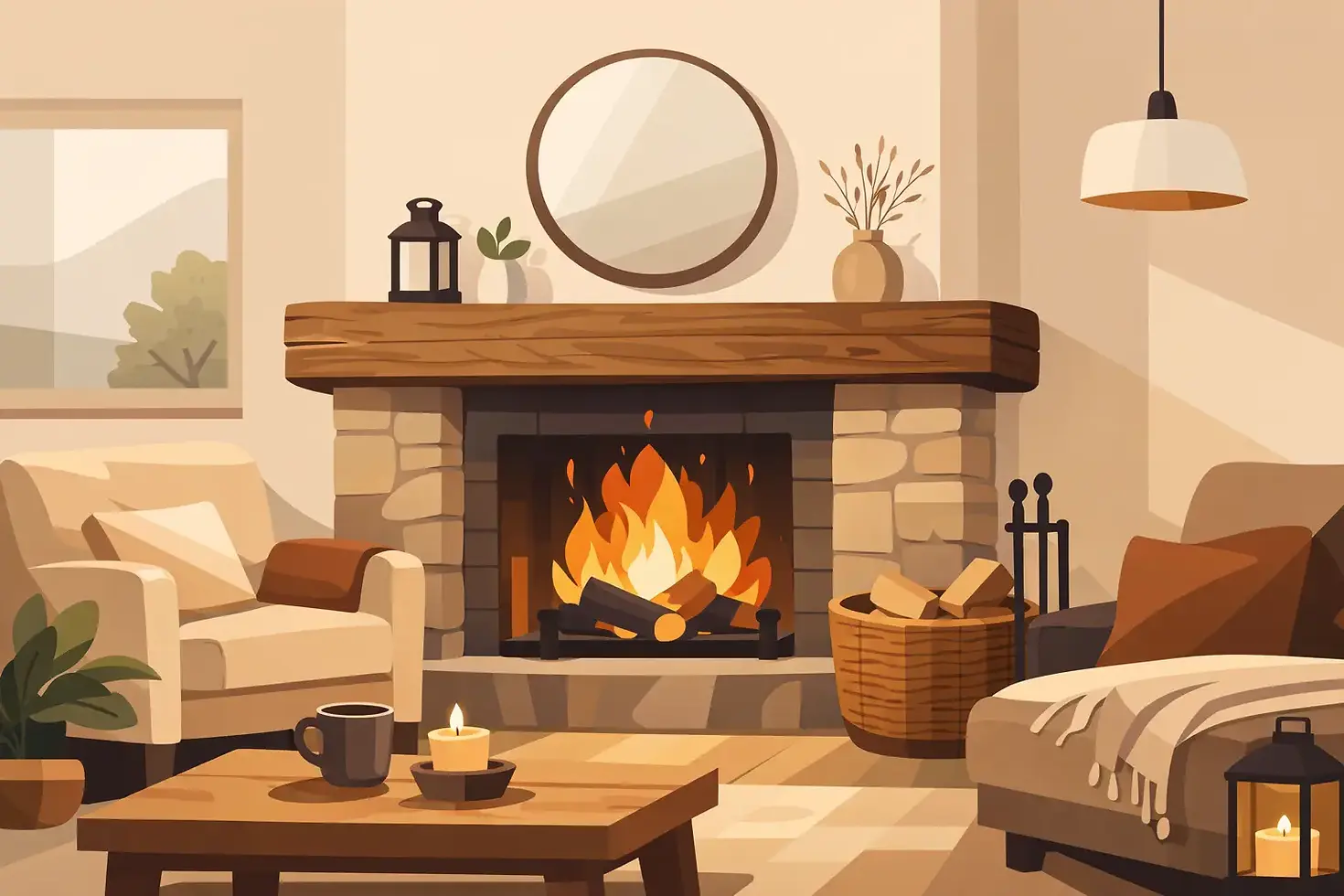
Oak Beam Fireplace Ideas for a Warmer Home
- info1235355
- 4 days ago
- 5 min read

A fireplace can be perfectly functional and still feel unfinished. Often, it is the mantel that gives the whole setting its presence: a solid line of natural timber that frames the fire, grounds the room and gives the eye somewhere to rest. These oak beam fireplace ideas are designed to help you create that sense of permanence, whether your home is a Welsh cottage, a Victorian terrace or a newer build in need of warmth and character.
A real oak beam is not a decorative afterthought. Its grain, knots and natural movement bring an honesty that painted MDF and mass-produced surrounds cannot replicate. The key is choosing a beam that feels right for the scale of your fireplace and the way you live in the room.
Oak beam fireplace ideas for every style of home
The same material can sit comfortably in very different interiors. Oak has a quiet versatility: it can look settled and time-worn in a traditional room, or clean and architectural against a simple plastered chimney breast. The cut, proportions and finish make the difference.
A substantial beam for a country-style fireplace
For a cottage, farmhouse or character property, a deeper oak beam creates a reassuringly solid focal point. A beam with visible knots, small checks and gentle colour variation feels at home against stone, brick or limewashed walls. Pair it with a cast-iron stove, an inglenook or a simple hearth, then keep the styling restrained. A ceramic vase, a small framed print and a pair of candlesticks are often enough.
There is no need to force a perfectly rustic look. Genuine oak already carries the marks that give it personality. A hand-finished beam with softened edges has the substance of an older timber without pretending to be an antique.
A clean-lined mantel for a contemporary room
Oak can be just as effective in a modern home, particularly where a chimney breast has been newly built or replastered. Choose a more consistent finish and a beam with crisp, straight lines. A lighter natural oil or clear wax allows the grain to show while keeping the overall look fresh.
This approach works particularly well with a simple inset fire, pale walls and a slate or porcelain hearth. Rather than adding lots of accessories, let the beam provide the texture. A long horizontal mantel can also visually widen a narrow chimney breast, making the room feel more balanced.
A softened finish for period interiors
In Victorian and Edwardian homes, the aim is often to make improvements feel as though they belong. A warm medium oak finish can sit beautifully alongside original floorboards, dark-painted joinery and tiled hearths. It has enough richness to complement older materials without making the fireplace feel heavy.
Measure the room before opting for the largest possible beam. High ceilings and generous chimney breasts can carry a bold section, while a smaller front room may need a slimmer profile to avoid crowding the space. Character comes from proportion as much as it does from texture.
A long floating beam for an open-plan space
In an open-plan kitchen-living room, a fireplace needs to hold its own among larger surfaces and wider sightlines. Extending the oak beam beyond both sides of the fire gives the whole wall more authority. It also creates useful space for a few carefully chosen objects, without turning the mantel into storage.
A floating installation keeps the look clean, with concealed or discreet fittings giving the impression that the timber is simply emerging from the wall. This is particularly effective on a rendered chimney breast, where the contrast between smooth plaster and tactile oak feels considered rather than overly styled.
Choose the right oak beam size first
The most successful oak beam fireplace ideas begin with practical dimensions. A beautiful finish will not compensate for a mantel that is too shallow to look purposeful or too deep for the room.
As a starting point, allow the beam to extend beyond the fireplace opening on each side. How far depends on the width of the chimney breast, the style of the fire and whether you want the beam to be a subtle detail or the main feature. A narrow opening within a broad chimney breast generally suits a longer beam, while a compact stove setting may look better with a more modest overhang.
Depth matters too. A deeper beam creates a traditional, weighty appearance and provides more display space. A shallower beam feels lighter and can be the better choice for a contemporary setting or a room where circulation is tight. The height of the beam should relate to the wall above it, the hearth below and any alcoves beside it.
Made-to-measure work is valuable here because standard timber lengths rarely account for slightly uneven walls, unusual chimney breast dimensions or the exact look you are trying to achieve. At Country and Coast, each solid oak mantel is made to order in our Llandudno workshop, so the length and beam section can be selected for your particular fireplace rather than adjusted around a stock size.
Let the finish work with your existing timber
Oak is naturally varied, and that is part of its appeal. Even beams cut from the same board can take colour differently, especially around knots and grain. Rather than trying to eliminate this variation, choose a finish that works with the other wood tones already in the room.
A natural or light finish suits pale floors, soft neutral walls and airy spaces. It keeps the oak close to its original character and lets the grain do the talking. Medium golden tones offer an easy bridge between old and new, while darker finishes can add depth beside painted cabinetry, aged brick and heritage colours.
If you are matching floorboards, kitchen worktops or existing furniture, test the colour in the room’s own light. Daylight, firelight and warm lamps all change how oak appears. A personalised colour match is often worthwhile when the mantel needs to feel like a considered part of the interior rather than a separate purchase.
Keep the fireplace safe as well as beautiful
The position of a beam above a working stove or open fire is not simply a styling decision. Heat output, appliance type, wall construction and the manufacturer’s clearance requirements all affect where a combustible mantel can be fitted. Never assume a beam can sit at the same height as one seen in another home.
Check the stove or fire manufacturer’s guidance and speak to a qualified installer before finalising the installation height. This is especially important with wood-burning stoves, where heat rises directly towards the mantel. A well-proportioned beam is only a good choice if it is installed safely and in line with the appliance instructions.
It is also worth deciding early whether you want a true floating appearance, visible brackets or a more traditional fixing method. Pre-drilled fittings can make installation more straightforward, but solid walls, studwork and uneven surfaces may require a different approach. The best solution is the one that is secure, practical and visually in keeping with the room.
Style the beam without losing its character
Once fitted, a solid oak mantel does not need much help. Overfilling it can hide the very timber you chose it for. Leave some clear space so the grain and hand-finished edges remain visible, then use a few objects with differing heights and textures.
A mirror above the mantel can bring light into a darker room, while artwork makes the fireplace feel more personal. In a country setting, a stoneware jug or dried seasonal stems sit naturally with oak. For a simpler scheme, one substantial vase and a small stack of books may be enough. If you use the fire regularly, keep decorations safely away from heat and make sure nothing interferes with the flue or appliance.
The most enduring choice is not necessarily the most dramatic one. Choose an oak beam with enough presence for the room, a finish that belongs with your existing materials and dimensions made for the space you actually have. Over the years, it will gather its own small signs of home life - and that is exactly what makes solid oak worth choosing.


Comments